
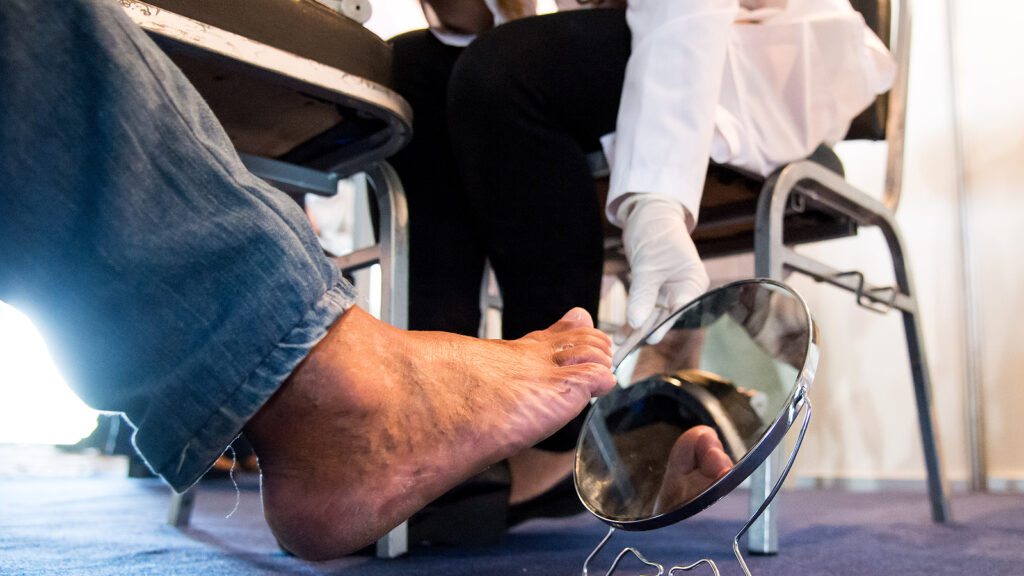
Diabetes affects more than just blood sugar levels. For many people living with the condition, foot problems are a surprisingly common complication. Nerve damage, poor circulation, and high blood sugar can all combine to make even minor injuries serious if they’re not noticed and treated promptly. Simple issues like cuts, blisters, or calluses may develop into infections that are slow to heal, which is why paying close attention to foot health is essential.
Even with careful management, many people with diabetes find themselves dealing with foot discomfort or injuries at some point. Changes in sensation, skin colour, and temperature can signal trouble, and catching these signs early often makes a difference. Understanding what to look for and how to care for your feet daily can help prevent complications and give you more confidence in staying active and independent.
Common diabetic foot issues
One of the most frequent foot problems among people with diabetes is neuropathy, or nerve damage. When nerves are affected, it can lead to numbness, tingling, or a burning sensation in the feet. This makes it easy to miss injuries or pressure sores, which can worsen without proper care. Neuropathy can also affect balance, increasing the risk of falls.
Another common issue is poor circulation, which reduces blood flow to the feet and slows down the healing process. This means even small cuts or scrapes may take longer to recover, and infections can become serious more quickly. Diabetes also increases the risk of fungal infections, such as athlete’s foot, and foot ulcers, which are open sores that require prompt medical attention.
Recognising the warning signs
Being proactive about foot care begins with knowing what to look for. Signs that something might be wrong include:
- Redness, swelling, or warmth in any part of the foot
- Persistent pain, tingling, or numbness
- Cracks, sores, or blisters that don’t heal quickly
- Thickened, discoloured, or brittle toenails
- Changes in skin colour, temperature, or texture
Spotting these issues early can make a significant difference. If you notice any of these signs, it’s important to reach out to a Singapore diabetes specialist who can provide the right guidance and treatment before complications arise.
Daily habits to protect your feet
Daily foot care can prevent most diabetic foot complications. Here are practical steps to integrate into your routine:
- Inspect your feet every day – Use a mirror if needed to check the soles, heels, and between toes for any changes, cuts, or signs of infection.
- Wash and dry thoroughly – Clean your feet with lukewarm water and mild soap, making sure to dry carefully between the toes to prevent fungal infections.
- Moisturise appropriately – Applying a gentle lotion helps prevent cracked and dry skin, but avoid putting lotion between the toes as excess moisture can promote fungal growth.
- Trim nails safely – Cut toenails straight across and file edges to avoid ingrown nails, which can lead to infections.
- Wear supportive footwear – Shoes should fit well and protect your feet from injury. Avoid walking barefoot, even indoors.
- Manage blood sugar levels – Keeping glucose within target ranges helps reduce nerve damage and improves circulation. Remember that diet and diabetes are connected, so daily food choices impact foot health indirectly.
What is the Ankle–Brachial (AB) Index?
The Ankle–Brachial Index (ABI or AB index) is a non-invasive test used to assess blood flow to the legs and feet. It helps detect peripheral arterial disease (PAD), which is very common in people with diabetes and increases the risk of foot ulcers, poor wound healing, and amputations.
How it is measured:
- Blood pressure is taken at the ankle and at the arm (brachial artery).
Why ABI is essential in diabetic foot
ABI is essential as it:
- Identifies poor arterial supply, a major cause of non-healing ulcers.
- Helps guide treatment: offloading, vascular referral, and revascularis
- Predicts risk of amputation and complications.
When to seek professional help
Even with careful daily care, some situations require professional attention. Immediate consultation is necessary if you notice:
- Sores or wounds that aren’t healing after a few days
- Signs of infection, such as pus, redness, or swelling
- Persistent pain or numbness that affects mobility
- Changes in skin colour, such as blue or pale toes
A diabetes specialist can assess the severity of these issues, provide treatments ranging from medication to wound care, and offer advice on preventing recurrence. They may also coordinate with podiatrists or other healthcare professionals for comprehensive care.
Preventative measures for long-term foot health
Beyond daily habits, long-term strategies can significantly lower the risk of serious foot complications:
- Regular check-ups: Schedule routine appointments with a healthcare professional to monitor nerve function and circulation.
- Maintain a healthy weight: Excess weight puts additional pressure on your feet and can worsen circulation issues.
- Stay active: Gentle exercises, such as walking or stretching, can improve blood flow and keep muscles strong.
- Avoid smoking: Smoking constricts blood vessels, reducing circulation and slowing healing.
- Address footwear issues promptly: Replace worn-out shoes and consider orthotic support if recommended.
By staying consistent with these practices, you can reduce your risk of ulcers, infections, and other severe complications, while keeping your feet comfortable and functional.
Conclusion
Foot health is a critical but often overlooked aspect of managing diabetes. Regular self-care, monitoring for warning signs, and maintaining a partnership with medical professionals can prevent serious issues and improve quality of life.
For those living with diabetes, having a dedicated team to support blood sugar management, monitor complications, and provide personalised advice is invaluable. LW Cho Endocrine Clinic specialises in comprehensive diabetes care, offering services that include routine foot assessments, guidance on glucose control, dietary counselling, and education on preventing long-term complications. By working closely with specialists at the clinic, patients can take proactive steps to protect their feet, manage their diabetes effectively, and maintain overall health with confidence.