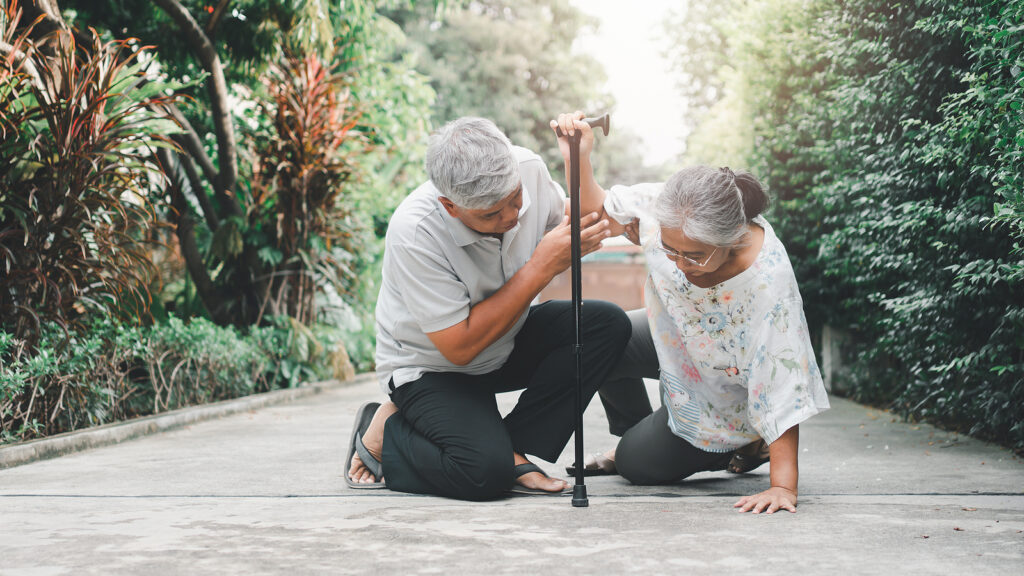
Hip fractures are one of the most serious health events an older adult can experience. Where Singapore’s population is ageing rapidly, they represent a growing public health concern, one that can drastically reduce independence and quality of life. What many people do not realise is that a significant number of these fractures are preventable, and that something as straightforward as maintaining adequate vitamin D levels can make a difference.
Vitamin D is often thought of as the sunshine vitamin, and while Singapore sits close to the equator, low vitamin D levels are surprisingly common here. Spending most of the day indoors, using sunscreen, and having darker skin tones are all very common in our local population and can limit how much vitamin D the body actually produces. For seniors especially, understanding the role this vitamin plays in bone health is not just useful knowledge. It could be life-changing.
Why bones weaken as we age
Bones are living tissue. Throughout life, they are constantly being broken down and rebuilt in a process called remodelling. When we are young, the body builds bone faster than it breaks it down. From our mid-thirties onwards, this balance begins to shift, and bone density gradually declines.
For some people, this decline happens more rapidly, leading to osteoporosis, a condition where bones become so porous and fragile that even a minor fall can result in a fracture. The hip is one of the most vulnerable sites. A hip fracture in an older adult often requires surgery, a prolonged hospital stay, and months of rehabilitation. Sadly, for many seniors, it also marks the beginning of a significant and permanent loss of independence.
Osteoporosis is not just a women’s health issue, though it is often treated as one. It is an overlooked osteoporosis risk for men that deserves more attention, as older men who fracture their hips tend to have worse outcomes than women of the same age. The scale of what lies ahead is sobering. A study by the Asian Federation of Osteoporosis Societies found that Singapore is expected to see the second-largest increase in hip fractures among Asian countries, with numbers projected to rise more than threefold (from around 4,477 to 15,806) by 2050. The research also found that many patients did not receive comprehensive fall assessments, rehabilitation planning, or osteoporosis treatment after discharge, leaving them at high risk of a second fracture. Perhaps most striking of all: only 12% of those at high fracture risk were taking any medication or supplement to support bone health, such as anti-osteoporosis drugs, calcium, or vitamin D. These figures, reported in January 2026, make a compelling case for acting sooner rather than later.
The link between vitamin D and bone health
Vitamin D is essential for calcium absorption. Without enough of it, the body cannot properly absorb the calcium you consume from food or supplements, no matter how much dairy or leafy greens are on your plate. When calcium absorption is poor, the body compensates by drawing calcium from the bones themselves, weakening them over time.
Beyond calcium absorption, vitamin D also plays a direct role in muscle function. This matters enormously for fall prevention. Seniors with low vitamin D levels tend to have poorer muscle strength and balance, making them more likely to fall and, therefore, more likely to fracture a hip.
How much vitamin D do seniors need?
Most health guidelines recommend that adults over 65 aim for at least 800 to 1,000 IU (International Units) of vitamin D daily, though some individuals, particularly those who are rarely outdoors or who have conditions affecting absorption, may need more. The best way to know is through a simple blood test that measures your vitamin D levels (specifically, serum 25-hydroxyvitamin D).
There are three main ways to get vitamin D:
- Sunlight: About 10 to 15 minutes of midday sun exposure on the arms and legs several times a week can help, though this varies depending on skin tone, age, and individual health.
- Food sources: Fatty fish (such as salmon and mackerel), egg yolks, and fortified foods like milk and cereals contain some vitamin D, though it is difficult to meet daily requirements through diet alone.
- Supplements: For many older adults, a vitamin D supplement is the most reliable and consistent option.
It is worth noting that vitamin D works in tandem with calcium. Seniors should ideally be getting around 1,200 mg of calcium per day from food and supplements combined.
Vitamin D and osteoporosis management in Singapore
For those already diagnosed with or at risk of osteoporosis, vitamin D is a cornerstone of treatment. Seeking proper treatment for osteoporosis in Singapore often involves a combination of lifestyle changes, calcium and vitamin D supplementation, and in some cases, bone-strengthening medications. A specialist will typically assess bone density using a DEXA scan, review dietary habits, and check blood levels before recommending a personalised plan.
This is important because not all vitamin D supplements are equal, and taking too much can actually cause harm. Toxicity from excessive supplementation, while uncommon, can lead to elevated calcium levels in the blood, which carries its own risks. Professional guidance ensures you are supplementing safely and effectively.
Practical steps seniors can take today
Beyond vitamin D, there are several other evidence-based strategies to reduce hip fracture risk:
- Weight-bearing exercise: Activities like walking, tai chi, and light resistance training strengthen both bones and muscles, and improve balance.
- Fall-proofing the home: Remove loose rugs, ensure good lighting, and install grab bars in bathrooms.
- Regular vision and hearing checks: Sensory impairments are common contributors to falls that often go unaddressed.
- Medication review: Some medications affect balance or bone density. A doctor can help identify whether any current medications are increasing fracture risk.
- Staying hydrated: Dehydration can cause dizziness and increase fall risk, which is a simple but frequently overlooked factor.
Making these changes does not require an overhaul of daily life. Small, consistent habits build up over time and can meaningfully reduce the risk of a devastating fracture.
A word for caregivers and families
If you are caring for an older parent or relative, vitamin D and bone health may not be at the top of your checklist, but it is worth raising with their doctor. Ask about having vitamin D levels tested, particularly if your loved one spends most of their time indoors, has had a recent fall, or has a family history of osteoporosis or fractures. Early action is always easier than recovery after a fracture has occurred.
Conclusion
Hip fractures do not have to be an inevitable part of ageing. With the right knowledge and proactive care, seniors in Singapore can take meaningful steps to protect their bone health and maintain their independence for longer. Vitamin D is a small but powerful piece of that puzzle, and it is one that is easy to overlook.
If you or a loved one is concerned about bone health, osteoporosis, or vitamin D levels, our team at LW Cho Endocrine Clinic is here to help. Specialising in hormonal and metabolic conditions, including osteoporosis, our clinic offers comprehensive bone health assessments, DEXA scans, and personalised treatment plans tailored to your needs. Do not wait for a fracture to take action; book a consultation with LW Cho Endocrine Clinic today and take the first step towards stronger bones and a more confident future.