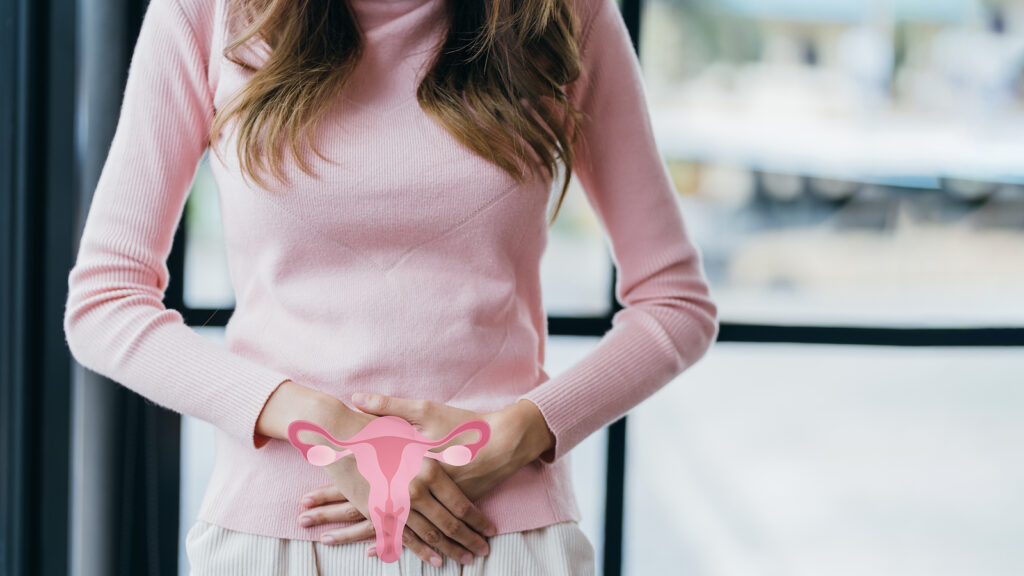
Polycystic ovary syndrome, often shortened to PCOS, is a widespread hormonal disorder that affects many women during their childbearing years. Yet for many in Singapore, it still feels confusing and sometimes frightening. A diagnosis can bring questions about fertility, weight changes, acne, irregular periods, and long-term health risks.
At the same time, research is reshaping how we understand this condition. A recent local study reported by The Straits Times highlighted that women with PCOS in Singapore may experience longer reproductive lifespans. That finding offers a different lens through which to view a condition that’s often discussed only in negative terms. While PCOS comes with real challenges, with the right support and knowledge, many women live full, healthy lives.
What exactly is PCOS?
PCOS is a hormonal condition where the ovaries may produce higher levels of androgens, often referred to as male hormones. This hormonal imbalance can disrupt ovulation and affect menstrual cycles.
Common signs include:
- Irregular or absent periods
- Acne or oily skin
- Thinning hair on the scalp
- Excess hair growth on the face or body
- Weight gain, particularly around the abdomen
- Difficulty conceiving
Not every woman will experience all these symptoms. Some discover they have PCOS only when trying to conceive, while others struggle with irregular cycles from their teenage years.
The condition also affects how the body processes insulin. Many women with PCOS have insulin resistance, which can increase the risk of type 2 diabetes and other metabolic conditions over time.
A new perspective: Longer reproductive lifespan
Traditionally, conversations around PCOS focus heavily on fertility challenges. However, emerging local data suggests something interesting. Women with PCOS in Singapore may experience menopause later than women without the condition, meaning their reproductive window could be longer.
This doesn’t mean fertility is automatically easier. Ovulation may still be irregular. But it does suggest that ovarian function may persist for a longer duration. For some women who delay childbearing due to career, finances, or personal reasons, this could offer reassurance.
It’s important to view this information carefully. PCOS still requires proper monitoring and care. A longer reproductive lifespan doesn’t cancel out the need for good hormonal balance and long-term health planning.
Why early support makes a difference
Receiving a PCOS diagnosis can feel like information overload. Hormones, ultrasound scans, blood tests, lifestyle advice, medication options, and fertility discussions often come all at once.
That’s why early and structured PCOS management is important. A clear plan helps reduce anxiety and prevents small issues from becoming bigger problems later.
Good management typically focuses on:
- Regulating menstrual cycles
- Improving insulin sensitivity
- Supporting healthy weight management
- Protecting long-term heart and metabolic health
- Addressing fertility goals when relevant
Every woman’s situation is different. Some may need medication to regulate cycles. Others may focus more on lifestyle adjustments. Some may require fertility treatments, while others do not. If you’re preparing for screening or blood work, having simple tips for PCOS tests can make the process smoother, such as checking whether fasting is required and scheduling certain hormone tests during specific days of your cycle.
Lifestyle changes that actually help
One of the most empowering aspects of living with PCOS is knowing that daily habits can genuinely improve symptoms. Small, consistent steps often bring noticeable changes over time.
1. Balanced eating patterns
PCOS is closely linked to insulin resistance, so blood sugar control is key.
Helpful strategies include:
- Choosing whole grains over refined carbohydrates
- Including protein in every meal
- Limiting sugary drinks and snacks
- Eating regular meals to avoid blood sugar spikes
This doesn’t mean extreme dieting. Restrictive plans are rarely sustainable. Instead, aim for steady, balanced meals that support energy levels and hormonal stability.
2. Movement that fits your routine
Exercise improves insulin sensitivity and supports mental health.
You don’t need intense gym sessions every day. Consider:
- Brisk walking
- Strength training two to three times weekly
- Swimming
- Pilates or yoga
Consistency matters more than intensity.
3. Stress and sleep
Hormones are sensitive to stress. Chronic stress can worsen symptoms and affect cycles. Prioritising rest, setting boundaries at work, and getting enough sleep are not luxuries. They’re part of managing a hormonal condition.
Fertility: What women should know
Fertility is often the biggest concern after diagnosis. Irregular ovulation can make timing unpredictable, but many women with PCOS conceive successfully. Treatment options may include medications to stimulate ovulation, insulin-sensitising drugs, weight management support, and assisted reproductive techniques, if necessary.
The key is early discussion. Even if pregnancy isn’t a current goal, understanding your reproductive health allows better planning later. The recent findings about potentially longer reproductive lifespans don’t guarantee fertility at older ages, but they offer reassurance that ovarian reserve may not decline as early in some women with PCOS.
Long-term health: looking beyond periods
PCOS isn’t just about periods or pregnancy. It can affect overall health across decades.
Women with PCOS have higher risks of:
- Type 2 diabetes
- High cholesterol
- High blood pressure
- Cardiovascular disease
- Endometrial thickening if periods are very irregular
Regular monitoring makes a big difference. Blood sugar tests, cholesterol screening, and cycle tracking help detect issues early.
Mental health also deserves attention. Body image struggles, fertility worries, and chronic symptoms can affect self-esteem. Seeking support, whether through counselling or community groups, is part of holistic care.
Conclusion
PCOS is common in Singapore, and awareness is growing. With better research and improved access to care, women no longer need to navigate this condition alone. If you’ve recently been diagnosed, take a breath. Start with one step at a time. Learn about your body. Build healthy routines. Ask questions. Seek professional guidance when needed. Living with PCOS may require adjustments, but it doesn’t define your identity, limit your ambitions, or close off your future.
If you’re looking for structured evaluation, personalised treatment plans, and long-term hormonal care, LW Cho Endocrine Clinic offers comprehensive assessment and management for women with PCOS. A thoughtful, individualised approach can help you understand your options clearly and move forward with greater confidence about your health.