Thyroid nodules are far more common than most people realise. Many people discover them by chance during a routine check-up, an unrelated scan, or even when they’re simply touching their neck. Although the majority of these nodules are harmless, their appearance can still feel unsettling. What’s especially tricky is that you can’t always tell whether a nodule is benign or cancerous based on symptoms alone. Some remain silent for years, while others grow or change without causing discomfort.
That’s why screening matters. Without proper imaging or assessment, there’s no clear way to know what’s happening inside the thyroid. A nodule that seems insignificant on the outside could still require monitoring, while one that feels worrying may turn out to be completely harmless. Screening gives you clarity and a practical plan for what to do next.
What thyroid nodules actually are
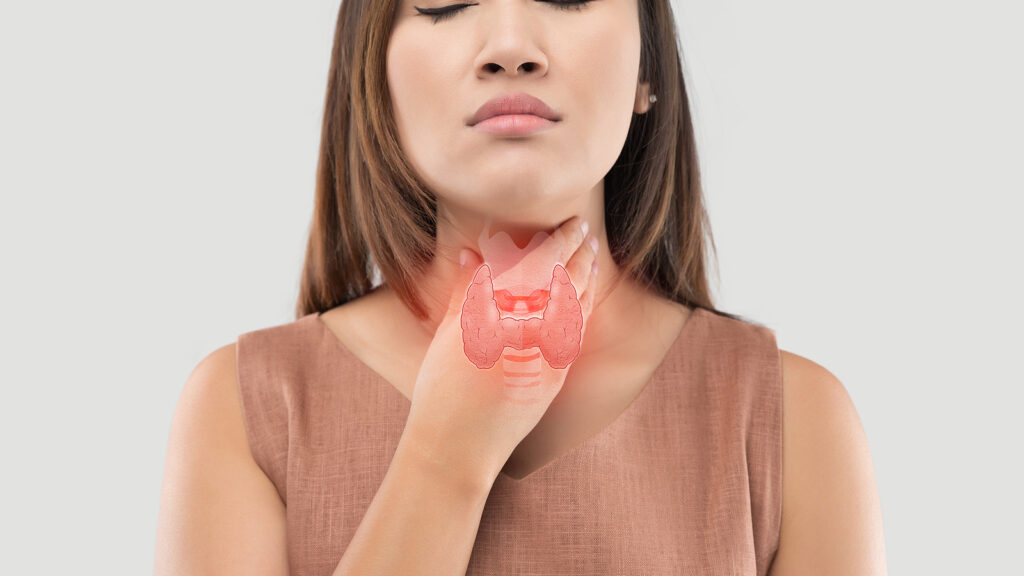
A thyroid nodule is a solid or fluid-filled lump that develops in the thyroid gland, which sits at the base of your neck. These nodules can appear for many reasons, including inflammation, overgrowth of thyroid tissue, cysts, or hormonal changes. Plenty of people have them without even realising it. They’re also more common with age and tend to affect women more often than men.
Most thyroid nodules don’t cause noticeable symptoms. Some people might feel a small lump when swallowing, or notice slight swelling in the neck, but many nodules are so tiny that only an ultrasound can detect them. While it’s tempting to ignore something you can’t feel, early detection is one of the most important steps in protecting your thyroid health.
Why screening is so important
Screening helps determine whether a nodule requires attention right away or simply needs periodic monitoring. Without it, you’re left guessing. And when it comes to your thyroid, guessing isn’t ideal, especially since a small percentage of nodules can be cancerous.
A proper evaluation usually includes a physical exam, blood tests to check thyroid function, and an ultrasound. Ultrasound is particularly useful because it can identify the nodule’s size, shape, density, and other structural details. This allows doctors to assess whether the nodule looks suspicious or typical of benign growths.
Screening also supports early diagnosis. Even when thyroid cancer is present, it’s often highly treatable, especially when caught early.
When a biopsy is needed
If an ultrasound shows features that look unusual or if a nodule is large, your doctor may recommend a fine-needle aspiration biopsy. This is a simple, quick procedure where a thin needle is used to collect a small tissue sample from the nodule. It’s not as intimidating as it sounds and is usually done with minimal discomfort.
Biopsies can reveal whether the nodule is benign, cancerous, or indeterminate. Many nodules that look suspicious on imaging turn out to be harmless once tested, which highlights the importance of following through with investigations rather than assuming the worst.
Having access to expert support also means you’ll get personalised advice based on your biopsy results. A thyroid specialist in Singapore can help you understand your reports, explain what your options are, and suggest the next steps in monitoring or treatment.
What screening results can reveal
Screening results generally place nodules into several categories:
1. Benign nodules
These nodules don’t pose a cancer risk, although they may still need monitoring if they’re large or growing. Many people live with benign nodules without symptoms or complications.
2. Suspicious or indeterminate nodules
Some nodules fall into a grey zone. They don’t look clearly benign or malignant, so doctors may recommend further testing or close observation. Molecular testing may sometimes be used to better understand their risk level.
3. Malignant nodules
These are less common, but screening is essential for identifying them early. Thyroid cancers generally grow slowly, and most types respond well to treatment. Early identification often means less invasive treatment and better long-term outcomes.
4. Nodules affecting thyroid function
Sometimes nodules can produce excess thyroid hormones, leading to symptoms such as weight loss, heat intolerance, or a rapid heartbeat. These “hot” nodules are almost always benign but still require appropriate management.
How screening goes beyond cancer checks
While identifying cancer risk is one of the main reasons for screening thyroid nodules, it’s not the only one. Screening helps detect nodules that interfere with breathing or swallowing, even if they’re not cancerous. It also assesses nodules that may be linked to hormonal imbalances or other health concerns.
Thyroid issues can sometimes overlap with other conditions. For instance, the link between osteoporosis and thyroid disorders is an area that researchers continue to study. This makes proper thyroid assessment even more important for understanding your broader health picture.
What to expect after screening
Once screening is complete, your doctor will outline a plan tailored to your results. This may include:
- Routine monitoring: If your nodule is small and benign, you may only need periodic ultrasounds every 6–12 months to ensure it isn’t growing.
- Medication: Some thyroid conditions that cause nodules can be managed with medication that regulates hormone levels.
- Surgery: This is usually only recommended if a nodule is cancerous, causing significant symptoms, or continuing to grow in a concerning way.
- Lifestyle guidance: Staying on top of your health, managing stress, eating well, and keeping up with your follow-ups all play a role in maintaining a healthy thyroid.
The key is continuity. Screening isn’t a one-off event. It’s part of an ongoing approach to managing your thyroid health, especially if you have nodules that require careful observation.
How to take control of your thyroid health
If you’ve discovered a nodule or have been told you’re at risk, it’s understandable to feel anxious. What matters most is taking the right steps early. Don’t wait for symptoms to develop or for the nodule to grow. Listening to your body and acting on early findings can make a real difference.
It also helps to work with someone who specialises in thyroid conditions. Early screening, expert interpretation of your results, and personalised treatment options all contribute to clearer answers and better long-term health.
Conclusion
Screening gives you the knowledge and confidence you need when dealing with thyroid nodules. It helps you understand what’s happening inside your body, decide on the right next steps, and stay on top of changes that may affect your well-being. If you’re ready to get clarity about your thyroid health, LW Cho Endocrine Clinic offers screening, diagnosis, and tailored care that supports you at every stage. Reach out to us today.